The festival of Holi is a celebration of love, joy, and unity and is one of the most vibrant and colorful festivals in India. It is also known as the festival of colors and is celebrated in the month of March every year. On this auspicious occasion, people of all ages gather to play with colors and water, making it a fun-filled and lively event. But do you know that each color used during Holi has a spiritual significance and depth behind it? Let us discover the symbolism of different colors used during Holi and their spiritual meanings.
Red, the color of love and passion, is widely associated with Holi. It signifies the eternal bond of love between Lord Krishna and Radha, who are considered as the epitome of love and devotion in Hindu mythology. Yellow, on the other hand, symbolizes the color of friendship and togetherness. As per the legend, Lord Krishna used to complain about his dark complexion to his mother, and in response, she playfully applied colors on him and Radha, making their complexions alike. This is why yellow is considered as the color of friendship and equality in Holi.
Blue, the color of Lord Krishna’s skin, represents tranquility and calmness. It also symbolizes the vastness of the sky and the ocean, signifying the infinity of God’s love and power. Green, which is derived from the leaves and blossoms of the spring season, represents new beginnings and growth. It is also associated with Lord Vishnu, who is known as the preserver of the universe. Lastly, the color purple represents the spirituality and holiness of the festival, reminding us of the divine grace and blessings of the Almighty on this auspicious day.
Holi is not just about playing with colors, but it is also about understanding the deeper spiritual meanings behind each color. It teaches us to embrace the diversity of life and celebrate the oneness of humanity. So, this Holi, let us come together and spread love, happiness, and positivity with the vibrant colors of the festival, while also remembering its spiritual significance.
Related Posts
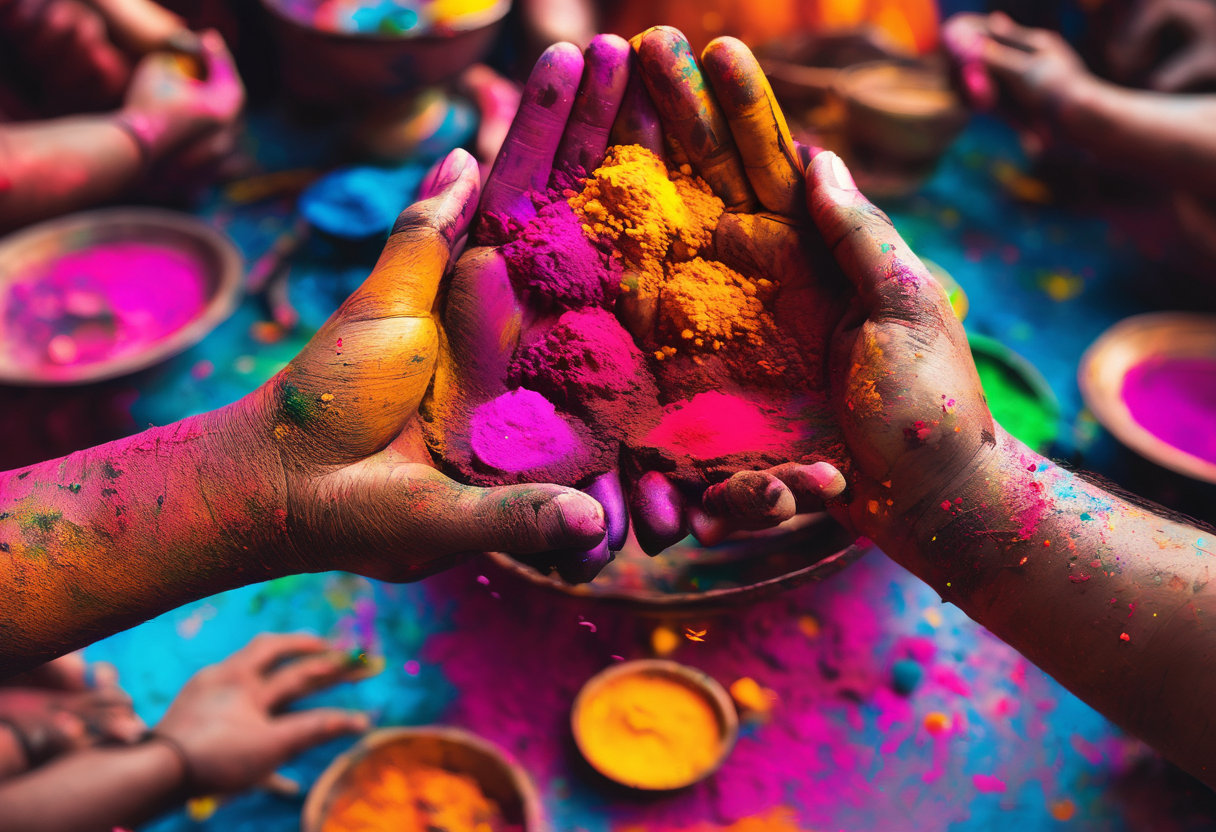
2. Traditions and Customs of Holi: Explore the Various Rituals, Games, and Activities Associated with Holi Celebrations
Holi, also known as the Festival of Colors, is a…
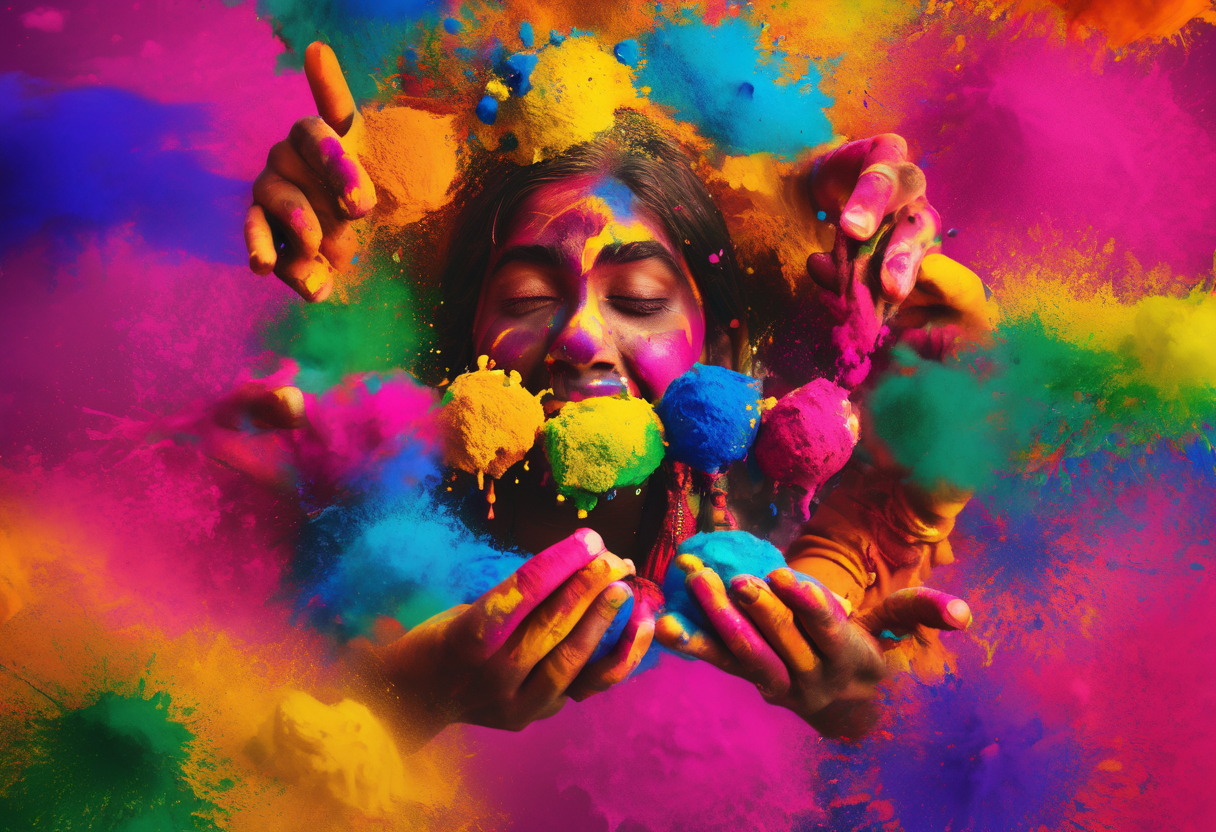
4. Holi Around the World: Exploring the Vibrant Celebrations Across Cultures
Holi, the festival of colors, is a beloved and joyous…
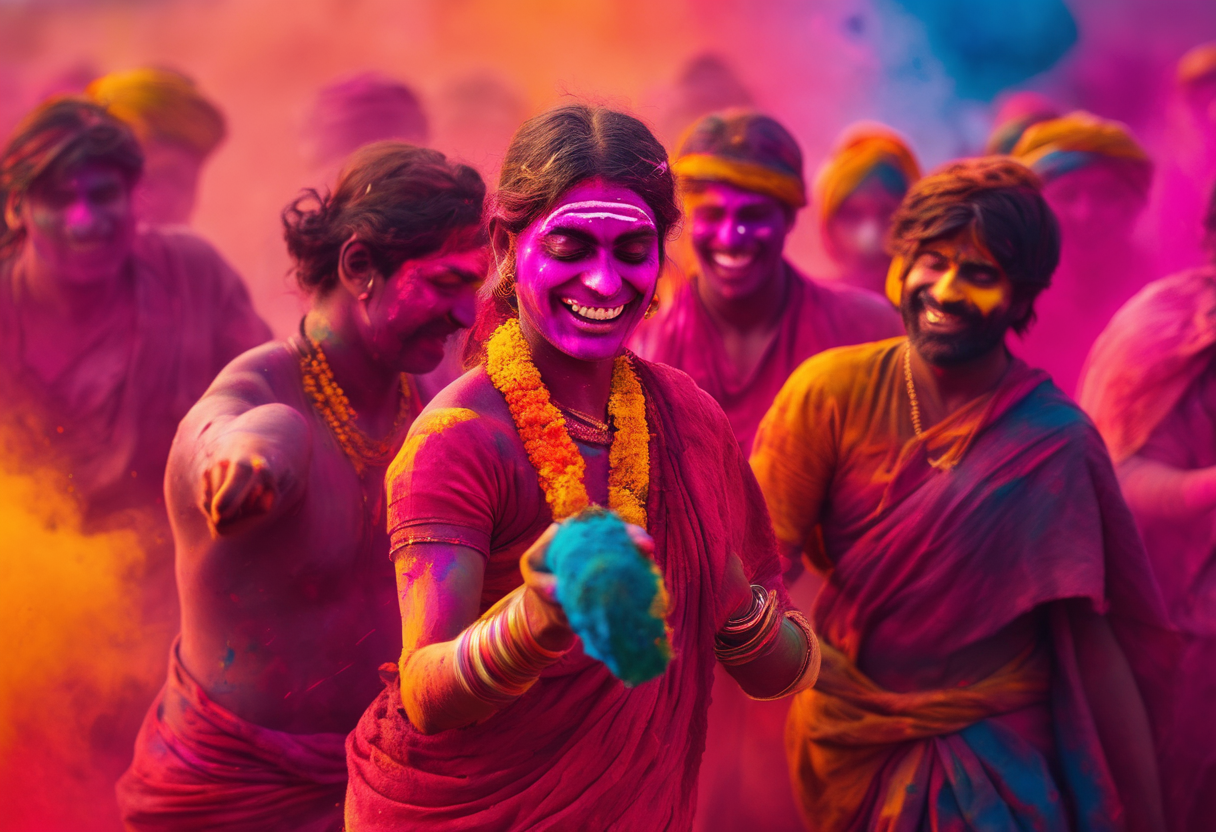
History and Origins of Holi: Learn about the Mythological Stories and Historical Significance Behind the Festival of Colors
The festival of Holi, also known as the festival of…