The festival of Holi, also known as the festival of colors, is a vibrant and joyous celebration that has been a integral part of Indian culture for centuries. It is a time when people come together to celebrate the triumph of good over evil, the arrival of spring, and the spirit of love and unity. But have you ever wondered about the origins of this colorful festival? Let’s take a trip back in time and discover the fascinating history and mythological stories behind the festival of Holi.
According to Hindu mythology, the festival of Holi is linked to several significant events. One of the most popular stories is that of Prahlad, the son of an evil king named Hiranyakashyap. Prahlad was a devout follower of Lord Vishnu, much to the dismay of his father who wanted him to worship him as a God. In a fit of rage, Hiranyakashyap ordered his sister Holika, who was believed to be immune to fire, to sit on a pyre with Prahlad in her lap. But to everyone’s surprise, it was Holika who burned to ashes while Prahlad emerged unscathed. This event is commemorated on the eve of Holi with the lighting of bonfires, known as Holika Dahan. It symbolizes the victory of good over evil, and the faith and devotion of Prahlad.
Over time, Holi has evolved to celebrate the love between Lord Krishna and his beloved Radha. Legend has it, Lord Krishna was worried that his dark skin would make Radha reject him. So, his mother advised him to playfully color Radha’s face with bright colors, which is why playing with colors is an important part of the festival. In addition to the mythological stories, Holi also has historical significance. It is believed that the festival originated as a celebration of fertility and the end of winter in Northern India. Today, the festival is celebrated by people of all religions and backgrounds, as a symbol of unity, happiness, and the triumph of good over evil.
Related Posts
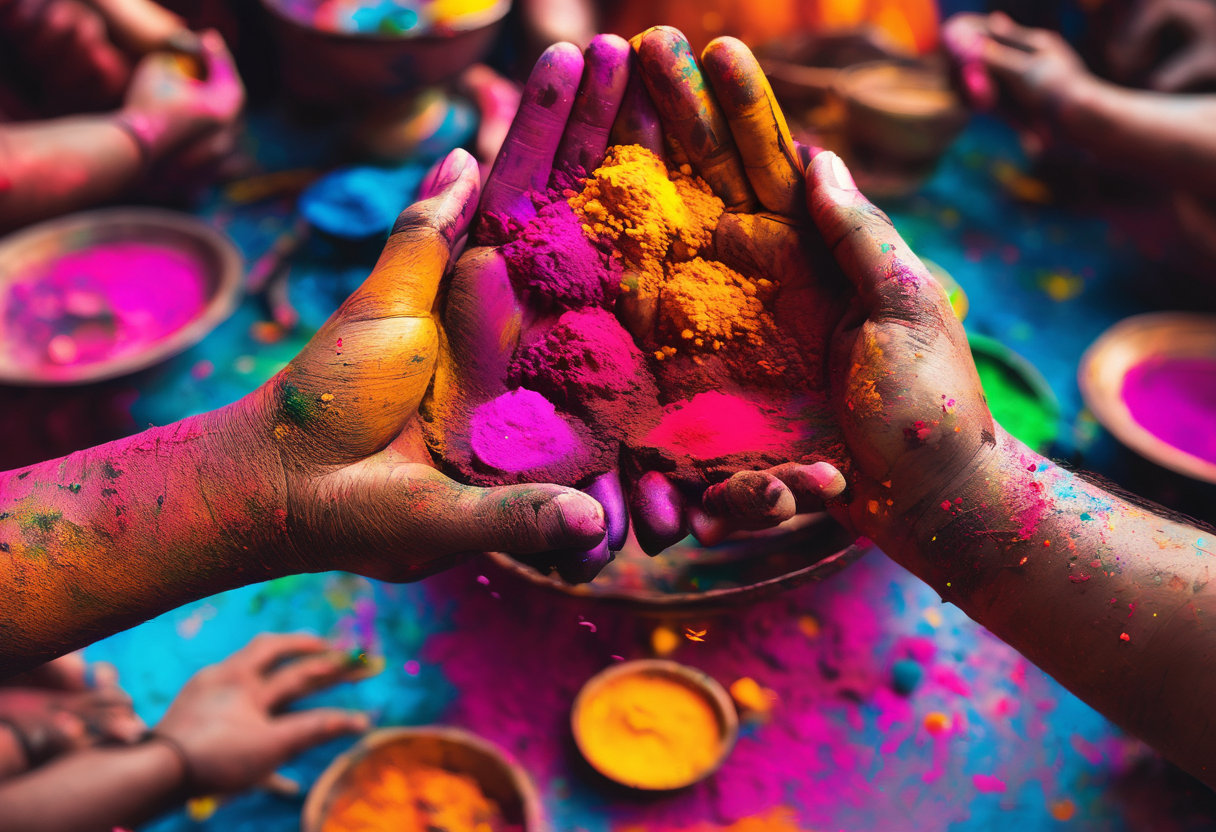
2. Traditions and Customs of Holi: Explore the Various Rituals, Games, and Activities Associated with Holi Celebrations
Holi, also known as the Festival of Colors, is a…
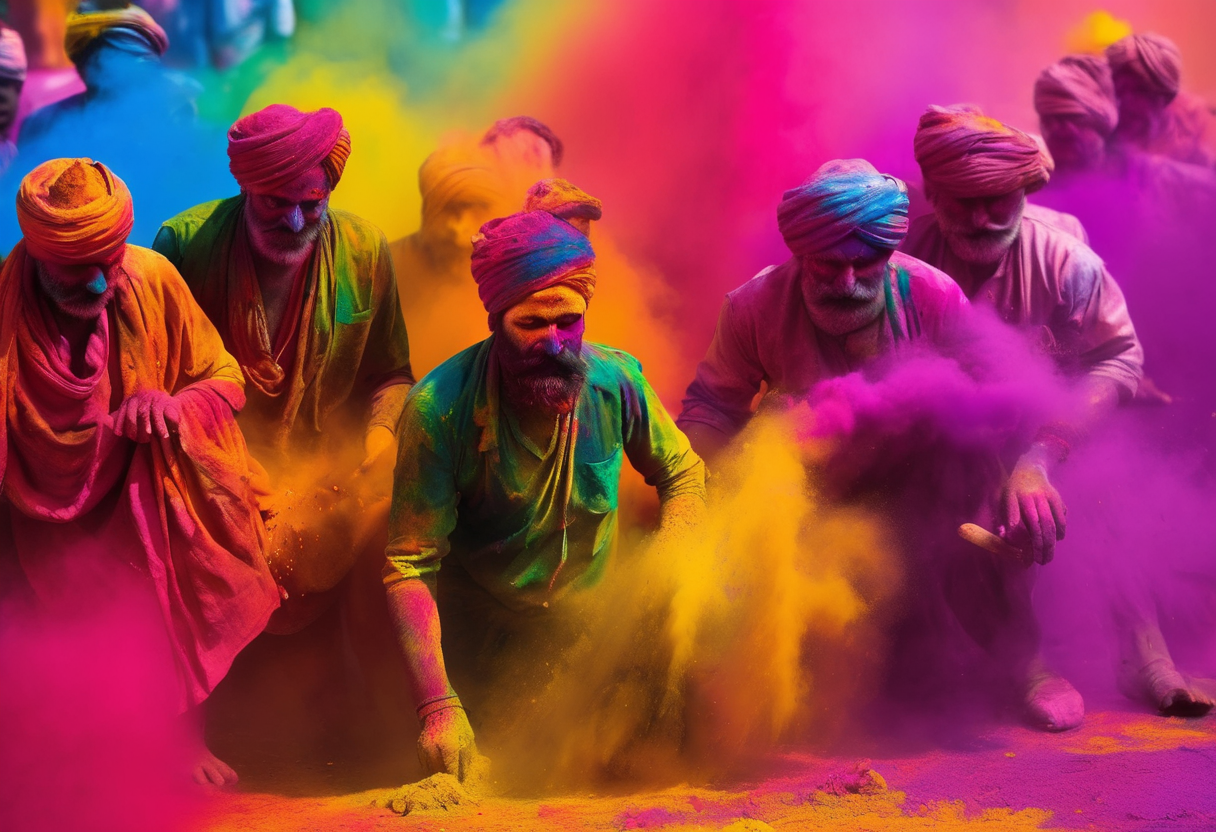
The Spiritual Significance of Colors in Holi
The festival of Holi is a celebration of love, joy,…
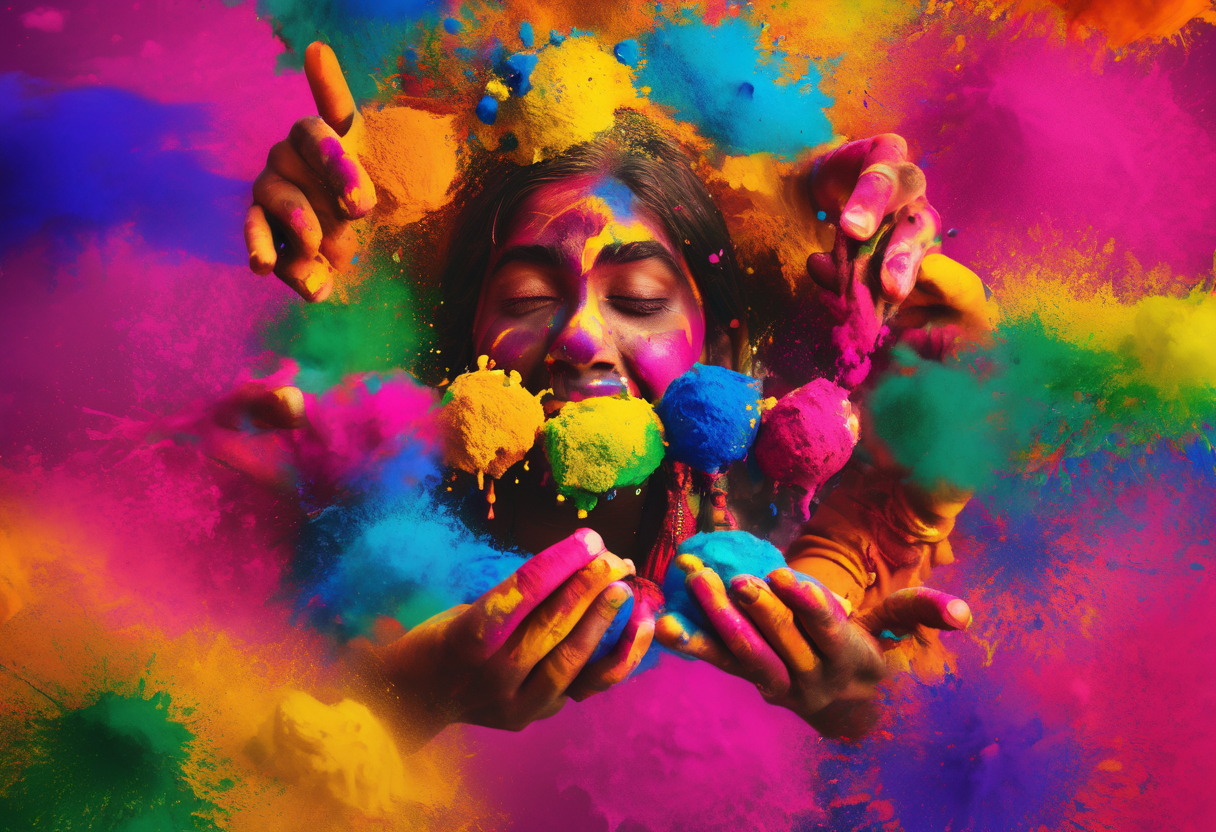
4. Holi Around the World: Exploring the Vibrant Celebrations Across Cultures
Holi, the festival of colors, is a beloved and joyous…